


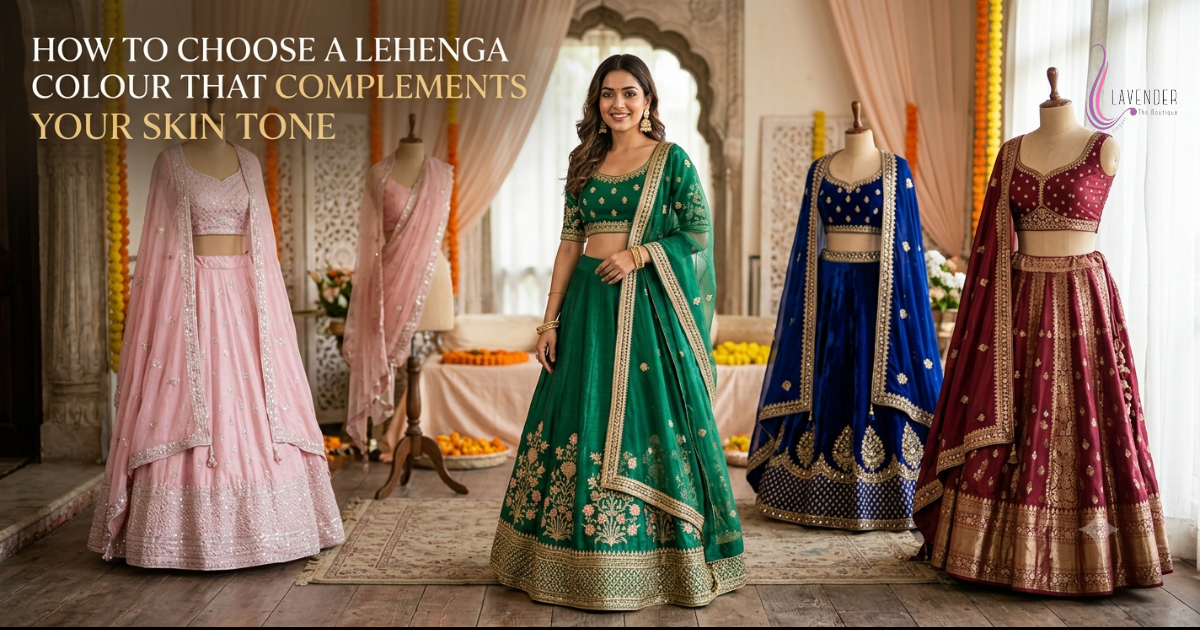
Choosing the perfect lehenga is more than just picking a beautiful design—it’s about finding a colour that truly enhances your natural beauty and makes you feel confident the moment you wear it. The right shade can instantly brighten your complexion, highlight your best features, and elevate your overall look for any occasion.
When it comes to selecting the right outfit, a lehenga for women should not only follow trends but also complement your unique skin tone. Whether you’re shopping for a wedding, festive celebration, or a special party, understanding how colours interact with your complexion can help you make a more flattering choice.
In this guide, you’ll discover how to choose lehenga colours that suit your skin tone perfectly, along with simple and practical tips to help you look your best in every outfit.
Why Lehenga Colour Matters
When it comes to ethnic wear, colour plays a key role in defining your appearance. Even the most stunning outfit can look dull if the shade doesn’t suit your skin tone. On the other hand, the right colour can:
- Brighten your face instantly
- Enhance your natural undertones
- Make your outfit stand out effortlessly
- Boost your overall confidence
This is why choosing the right colour is just as important as selecting a lehenga for women that not only follows trends but also enhances your natural beauty and overall appearance.
Understanding Your Skin Tone
Before selecting a lehenga colour, you need to identify your skin tone. Generally, skin tones fall into three main categories:
1. Fair Skin Tone
Fair skin tone usually has a light complexion with pink or neutral undertones. People with this skin type often notice that their skin is more sensitive to the sun and may burn easily. Soft, pastel, and slightly deeper shades tend to complement this skin tone well, as they add contrast without overpowering the natural complexion.
2. Medium or Wheatish Skin Tone
Medium or wheatish skin tone is very common, especially among Indian skin types. It has a balanced complexion with warm or olive undertones, making it quite versatile when it comes to colour choices. This skin tone can carry both bright and earthy shades beautifully, as they enhance its natural warmth and glow.
3. Dusky or Deep Skin Tone
Dusky or deep skin tone has a rich, deeper complexion with warm undertones. It is naturally radiant and looks especially striking in bold, vibrant, and rich colours. These shades help bring out the depth of the skin and add a beautiful glow to the overall look.
Knowing which category your skin tone falls into makes it easier to choose the right lehenga colours. It helps you narrow down options that not only suit you but also make your outfit look more attractive and well-coordinated.
Best Lehenga Colours for Fair Skin Tone
If you have a fair complexion, you have the advantage of experimenting with both light and bold shades. However, certain colours work exceptionally well.
Ideal Colour Choices
- Pastel Shades: Soft colours like baby pink, powder blue, mint green, and lavender create a fresh and elegant look. These shades add a gentle glow to your complexion without overpowering it, making them perfect for daytime or subtle festive wear.
- Jewel Tones: Rich colours such as emerald green, royal blue, and wine provide a striking contrast and make your outfit stand out. These tones add depth and elegance, especially for evening events or weddings.
- Soft Neutrals: Shades like ivory, champagne, and blush offer a timeless and graceful appeal. They are perfect if you prefer a minimal yet sophisticated look and can be easily styled with statement jewellery.
What to Avoid
- Extremely Pale Shades: Colours that are too close to your natural skin tone can make your look appear dull or washed out, reducing the overall impact of your outfit.
- Neon Colours: Very bright neon shades can sometimes overpower your features and take attention away from your natural beauty, making the overall look feel unbalanced.
Style Tip
A Teal Blue Velvet Lehenga is a great option for fair skin. The richness of velvet combined with deep teal creates a striking contrast, making your look elegant and eye-catching.
Best Lehenga Colours for Medium (Wheatish) Skin Tone
Medium skin tones are versatile and can carry a wide range of colours beautifully. The key is to pick shades that enhance your warm undertones.
Ideal Colour Choices
- Warm Shades: Colours like mustard, rust, coral, and maroon complement warm undertones perfectly. They add richness to your look and bring out a natural glow, making them ideal for festive and wedding wear.
- Bright Tones: Shades such as fuchsia, turquoise, and peacock blue add freshness and energy to your outfit. These colours help create a lively and eye-catching appearance without overpowering your complexion.
- Earthy Colours: Olive green and burnt orange are great choices if you prefer subtle yet stylish tones. These colours blend well with your skin tone while still adding depth and elegance to your outfit.
What to Avoid
- Dull or Washed-Out Shades: Colours that lack brightness can make your overall look appear flat and less appealing. Choosing slightly richer tones will help maintain a lively appearance.
- Beige Tones: Beige or very neutral shades that closely match your skin tone can reduce contrast, making the outfit look less defined and less striking.
Style Tip
Pairing your outfit with a green blouse for lehenga can elevate your look. Green complements wheatish tones beautifully and adds freshness to your overall outfit.
Best Lehenga Colours for Dusky or Deep Skin Tone
Dusky skin tones look stunning in bold, vibrant, and rich colours. These shades enhance the natural warmth and glow of your complexion.
Ideal Colour Choices
- Bright Colours: Shades like rani pink, orange, and yellow add brightness and energy to your look. These colours enhance your natural glow and make your outfit stand out effortlessly, especially for festive occasions.
- Deep Shades: Colours such as burgundy, plum, and navy blue give a rich and elegant feel. They add depth to your outfit and look especially stunning for evening events or weddings.
- Metallics: Gold, bronze, and copper tones complement deeper skin tones beautifully. These shades reflect light and add a subtle shine, making your overall look more radiant and eye-catching.
What to Avoid
- Ashy or Grey-Toned Colours: These shades can make your complexion look dull and reduce your natural glow.
- Very Dull Pastels: Extremely light or faded pastel shades may not create enough contrast, which can make your outfit look less vibrant and less noticeable.
Style Tip
A Magenta Mirror Work Lehenga is perfect for dusky skin. The vibrant magenta adds brightness, while mirror work reflects light beautifully, enhancing your glow.
Choosing Colours Based on Undertones
Apart from your skin tone, your undertone also plays a crucial role in selecting the right colour.
Warm Undertones
If your skin has a yellow or golden hue, you likely have warm undertones. Colours like orange, red, yellow, and warm greens suit you best as they enhance your natural warmth and give a radiant look.
Cool Undertones
If your skin has pink or bluish hues, it falls under cool undertones. Shades such as blue, purple, and cool pinks work beautifully, helping to balance and highlight your complexion.
Neutral Undertones
If your skin is a mix of both warm and cool tones, you have a neutral undertone. The advantage of this undertone is that most colours suit you well, giving you the flexibility to experiment with a wide range of shades.
Seasonal Colour Selection Tips
Sometimes, your lehenga colour can also depend on the season or occasion.
Summer Weddings
For summer weddings, it is best to go for light and airy colours such as pastel pink, mint green, and sky blue. These shades feel fresh and soothing, and they help you stay comfortable in warm weather while giving your look a soft and elegant touch.
Winter Weddings
In winter, rich and deeper tones like velvet maroon, emerald green, and navy blue work beautifully. These colours add warmth and a luxurious feel to your outfit, making them perfect for evening functions and grand celebrations.
Festive Occasions
For festive occasions, bright and vibrant shades such as red, yellow, and magenta are ideal. These colours reflect the joy and energy of celebrations and help you stand out with a lively and traditional look.
Choosing colours based on the season ensures that your outfit not only looks stylish but also feels appropriate and comfortable for the occasi
How Fabric Affects Colour Appearance
The same colour can look different depending on the fabric.
- Velvet: Makes colours appear deeper and richer
- Net/Organza: Gives a softer and lighter appearance
- Silk: Adds shine and enhances brightness
For example, darker tones in velvet look more luxurious, while the same shade in chiffon may appear softer.
Balancing Colour with Embroidery
Heavy embroidery can change how a colour looks on your outfit. Keep these tips in mind:
- Gold embroidery pairs well with warm colours
- Silver embroidery complements cool tones
- Mirror work enhances bright shades
If your lehenga is heavily embellished, you can choose a slightly subtle base colour to maintain balance.
Mixing and Matching Lehenga Colours
You don’t always have to stick to a single colour. Mixing shades can create a unique and stylish look.
Popular Combinations
- Pink lehenga with green blouse: This is a fresh and vibrant combination that never goes out of style. Pairing a soft or bright pink lehenga with a green blouse for lehenga creates a beautiful contrast, making your outfit look lively and eye-catching for festive and wedding events.
- Yellow lehenga with blue dupatta: This cheerful combination is perfect for daytime functions like haldi or mehendi. The brightness of yellow paired with a cool blue dupatta balances the look, giving you a playful yet elegant appearance.
- Red lehenga with gold accents: A classic and timeless choice, red with gold adds richness and tradition to your outfit. Gold accents in embroidery, dupatta, or jewellery enhance the overall look, making it ideal for weddings and grand celebrations.
Mixing colours allows you to experiment with different styles while still ensuring that your overall look complements your skin tone beautifully.
Common Mistakes to Avoid
When choosing a lehenga colour, it’s important to avoid some common mistakes that can affect your overall look. Many people ignore their skin undertone and end up picking shades that don’t complement them well. Another common error is following trends blindly without considering whether the colour actually suits your personality and complexion. Relying only on photos can also be misleading, as lighting and editing may change how a colour appears.
Additionally, not trying the outfit in natural light can lead to wrong decisions, since colours can look very different indoors versus outdoors. Taking a little extra time to evaluate your choices carefully will help you select a lehenga colour that truly enhances your appearance.
How Lighting Affects Lehenga Colour
Lighting plays an important role in how your lehenga colour appears, so it’s always a good idea to check your outfit in different lighting conditions before making a final decision. Natural light shows the true and most accurate colour of the fabric, helping you understand how it will actually look. Indoor lighting, especially warm lights, can make colours appear slightly richer or warmer than they really are.
In the evening or under dim lighting, deeper tones tend to stand out more and look more elegant. Checking your lehenga in all these settings ensures that your outfit looks perfect and consistent no matter where you wear it.
Styling Tips to Enhance Your Look
Even if your lehenga colour is perfect, styling can take your look to the next level.
Jewellery
- Gold jewellery works beautifully with warm-toned outfits, as it enhances the richness and gives a traditional, glowing look.
- Silver or diamond jewellery pairs best with cool tones, adding a subtle shine and a more elegant, modern feel to your overall appearance.
Makeup
- Try to match your makeup with your outfit’s colour palette so that everything looks well-balanced and coordinated.
- You can also use slightly contrasting lip shades to add definition and make your look stand out without overpowering your outfit.
Dupatta Draping
- Experimenting with different dupatta draping styles can completely change your look and highlight your lehenga colours better.
- A well-draped dupatta can bring attention to colour combinations, embroidery, and overall styling, making your outfit look more refined and stylish.
Final Thoughts
Choosing the right lehenga colour is all about understanding your skin tone, undertone, and personal style. While trends in modern lehenga designs keep evolving, the key is to choose shades that truly enhance your natural beauty and make you feel confident.
Whether you prefer soft pastels, bold jewel tones, or vibrant festive colours, your comfort should always come first. The right colour doesn’t just improve your overall look—it reflects your personality and adds a touch of elegance to your presence.
Take your time, explore different shades, and trust what suits you best. And when you’re ready to find your perfect outfit, explore the latest collections at Lavender The Boutique and discover a lehenga that feels made just for you.
Frequently Asked Questions (FAQs)
1. How do I choose the right lehenga colour for my skin tone?
Start by identifying your skin tone and undertone. Warm undertones look great in earthy and rich shades, while cool undertones suit blues, purples, and cool pinks. Neutral undertones can experiment with most colours.
2. Which lehenga colours are best for weddings?
For weddings, rich and traditional colours like red, maroon, emerald green, and navy blue work beautifully. You can also try modern shades like magenta or pastel tones depending on the them
3. Are bright colours suitable for all skin tones?
Bright colours can suit most skin tones if you choose the right shade. For example, fuchsia, turquoise, and mustard can look flattering when matched with your undertone.
4. Can I mix and match lehenga colours?
Absolutely! Mixing colours like a pink lehenga with a green blouse or adding contrasting dupattas can create a unique and stylish look while enhancing your overall outfit.
5. How can I style my lehenga to enhance its colour?
Choose jewellery, makeup, and dupatta draping styles that complement your outfit. For example, gold jewellery works well with warm tones, while silver or diamond suits cool tones.